Dinu Theodorescu Archaeological Laboratory
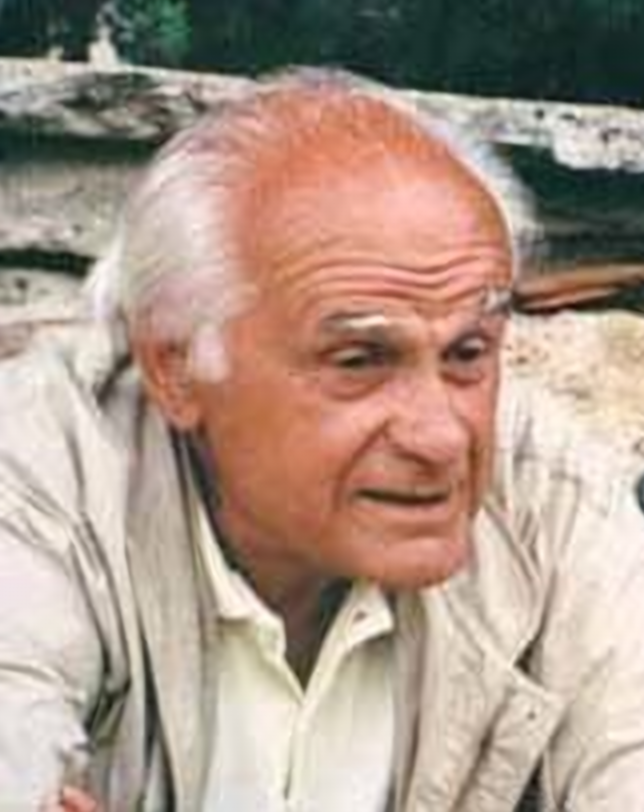
Dinu Theodorescu
Our laboratory bears the name of one of the most important specialists in ancient architecture produced by the Romanian school. Indifferent to his achievements, Romanian historiography during the communist period concealed his name after his emigration to France in 1969, where he would go on to build a brilliant career. By taking his name, the team that makes up the Laboratory wishes to keep alive and honour the memory of this model of a rigorous, erudite scholar of extraordinary intellectual refinement, who throughout his life displayed a generosity hard to imagine, winning over his interlocutors with a fine wit that could nevertheless turn sharp in an instant.
Dinu Theodorescu was born in 1929 in Cluj and later moved with his family to Bucharest (1940), where he studied at the Mihai Viteazul High School and attended the “Ion Mincu” University of Architecture and Urbanism. After graduating (1954) he worked at the Directorate of Historical Monuments, and from 1959 at the “Vasile Pârvan” Institute of Archaeology.
LADT Members
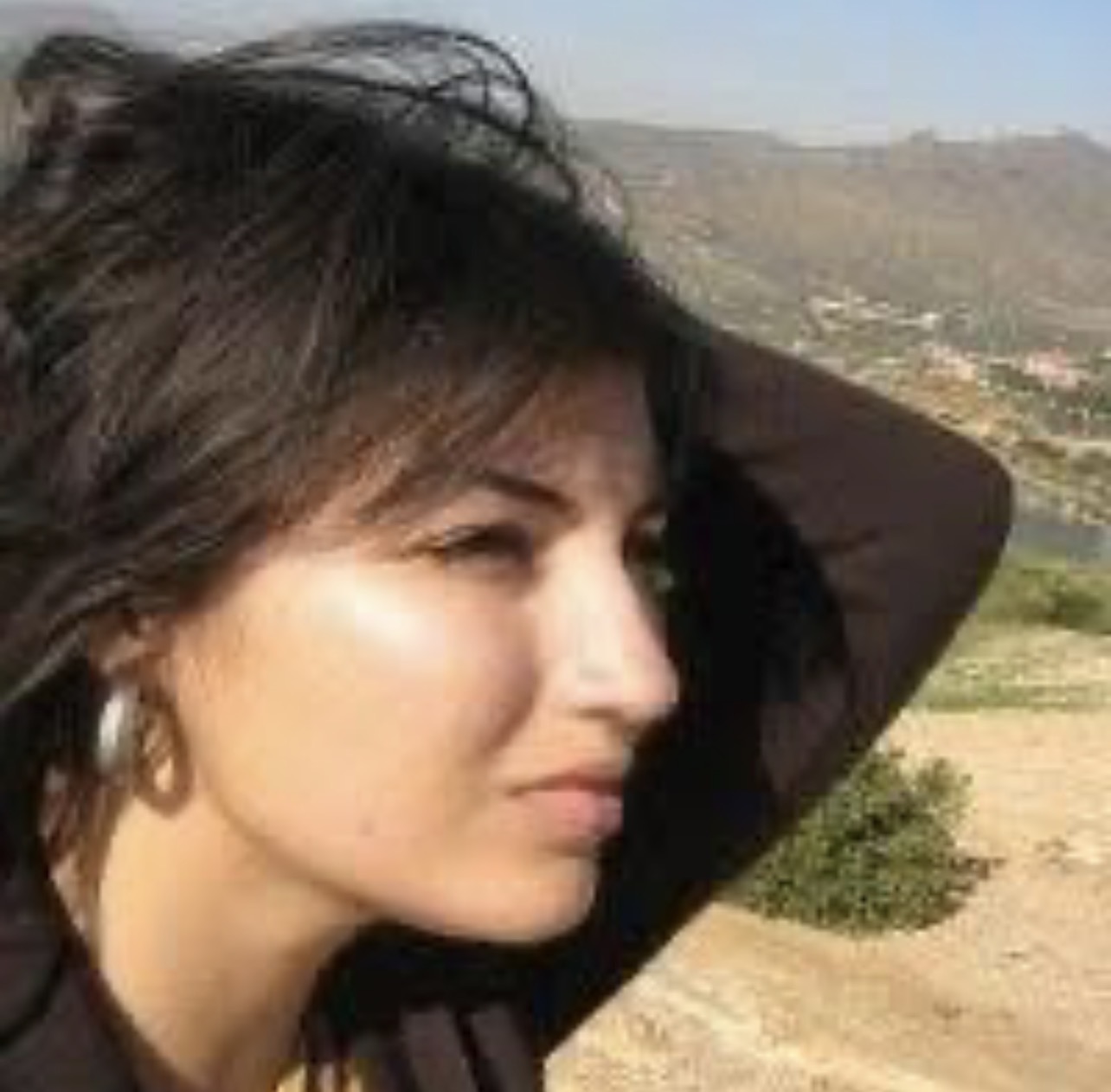
Alexandra Lițu
Founding member
Member of the archaeological research projects Acropolis Centre-South Sector (Histria) and Beidaud Archaeological Microzone. Areas of interest: Homer, archaic and classical Greece, Greek religion, Greek epigraphy, Digital Humanities.
Alexandra-Clara Țârlea
Founding member
Alexandra Țârlea is a member of the Laboratory, as well as a member of the teams carrying out research in the Acropolis Centre-South Sector (UB) at Histria and in the Beidaud Archaeological Microzone. Her main interests within the two projects are: small finds (especially metal objects), ancient glass, archaeometry, and household archaeology.
Iulia Iliescu
LADT member
She is a member of the University of Bucharest research team conducting archaeological investigations in the “Acropolis Centre-South” Sector at Histria and in the Beidaud Archaeological Microregion. She is responsible for the inventory and primary conservation of the archaeological materials discovered during the research, as well as for the management, processing and study of Roman-era ceramic artefacts. Her main interests concern classical archaeology, the ancient economy and ceramic production in the western Black Sea region.
Valentin-Victor Bottez
Director
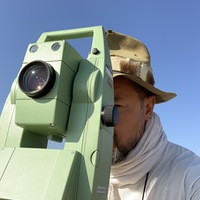
Valentin Bottez is the founder and director of the Laboratory, as well as the scientific coordinator of the Acropolis Centre-South Sector (UB) at Histria and of the Beidaud Archaeological Microzone. His main interests are ancient urbanism and its evolution across historical periods, and territorial occupation strategies in antiquity within the territories of ancient cities. Another research direction pursued by Valentin Bottez is the study of Greco-Roman religions, in particular the Roman imperial cult, but also the cult of the ‘Oriental’ gods in the Roman Empire (especially Mithras).
Members
Adrian Șerbănescu
Member
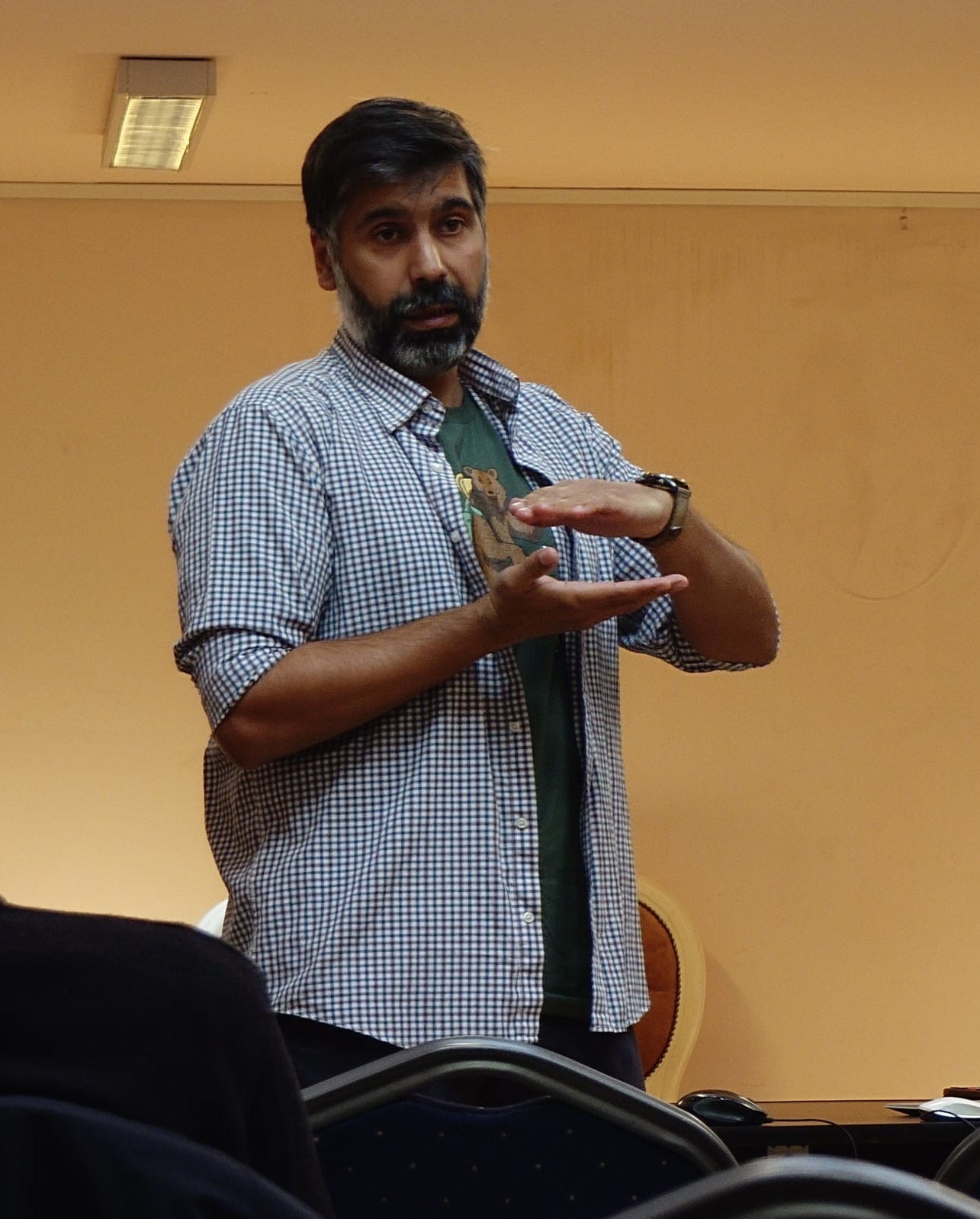
He is part of the research team of the Beidaud Archaeological Microzone, where his collaboration began during his doctoral project and where he has been active since 2022. He is responsible for the design and implementation of non-invasive investigation strategies. His main interest is geophysics applied to archaeology and its use in landscape archaeology, particularly in the study of ancient and prehistoric landscapes, with an emphasis on the pre-Roman and Roman periods.

Alina Stoian
Member
Her work focuses on mediating between archaeological research and the general public, through digital communication projects and experiential cultural initiatives. She coordinates the promotion and development strategy of the „Bucharest Experimental Archaeology Museum” project. Her other interests include cultural entrepreneurship, building digital communities around heritage, and developing innovative formats for experiential archaeology and museum mediation.
Elodie Caserta
Member
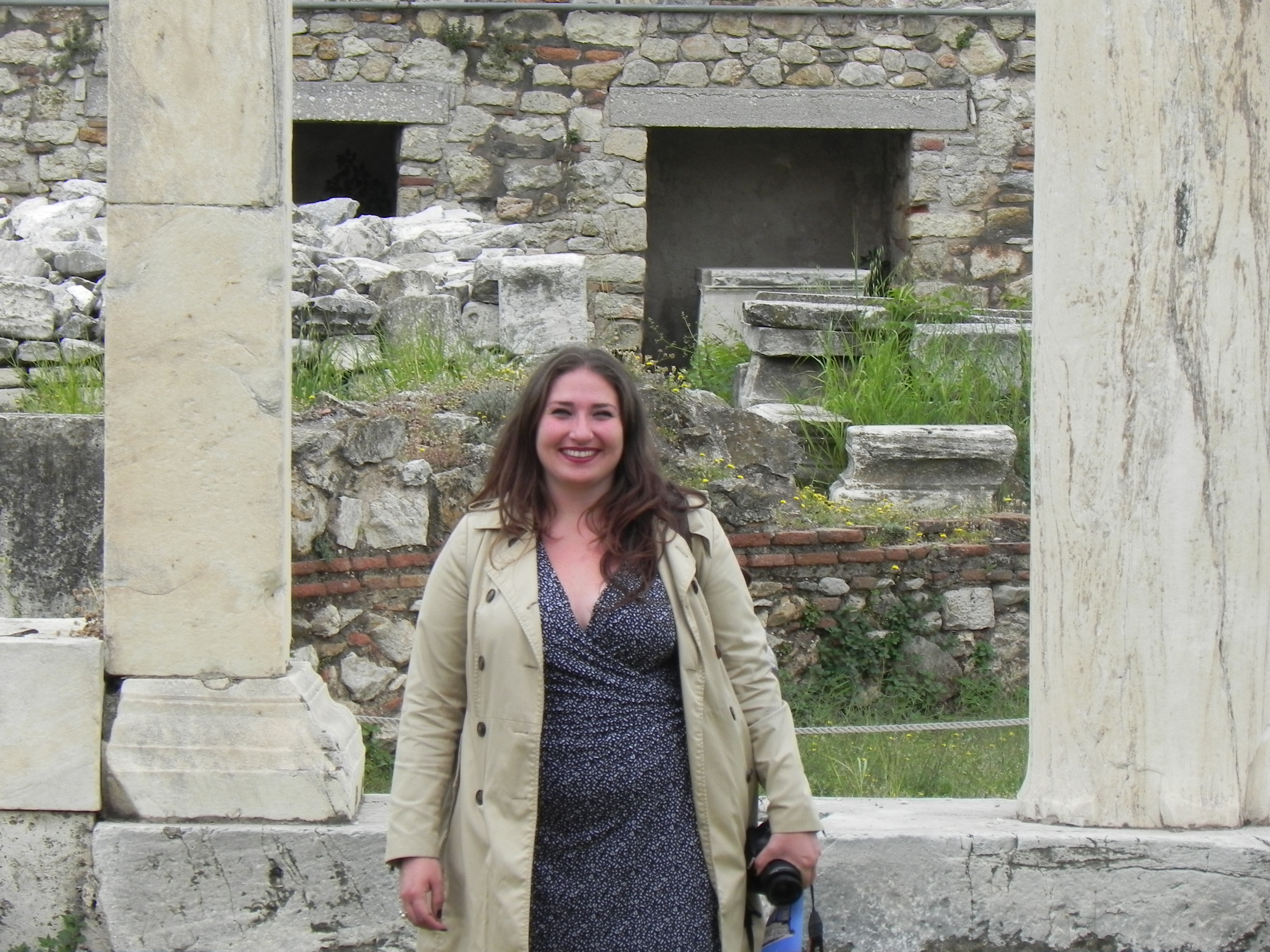
A specialist in the method of archaeothanatology, Elodie Caserta’s areas of interest are mortuary practices and their contribution to the understanding of Iron Age and Roman-period societies. With field experience including excavations in France, Spain, Italy, Tunisia and Romania, Ms Caserta is excavation director of the Funerary Space Sector of the Roman Rural Settlement within the Beidaud Archaeological Microzone.
Gaëlle Granier
Member
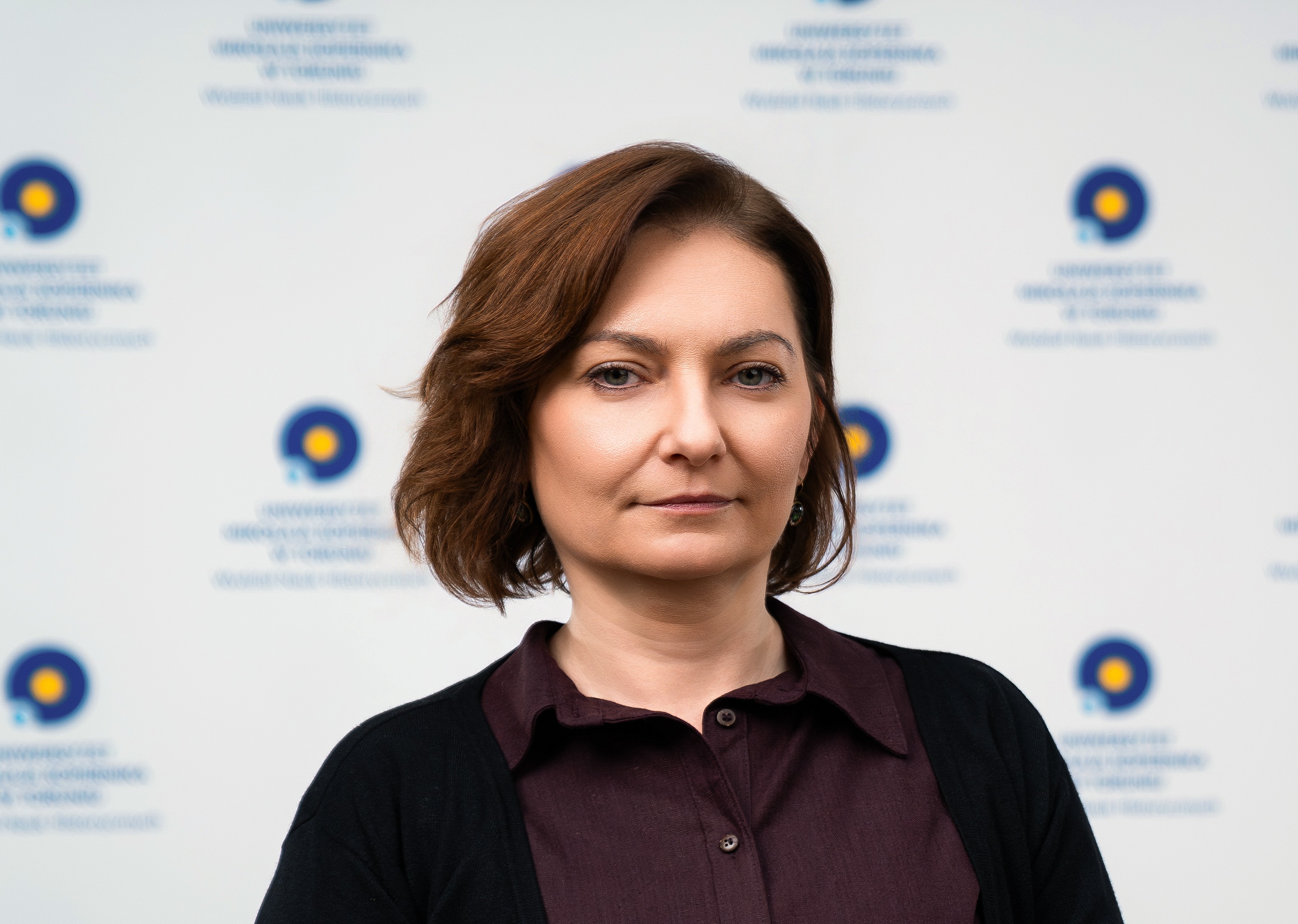
Inga Głuszek
Member
A specialist in classical archaeology, Inga Głuszek focuses her research on the development of Greek settlements along the northern coast of the Black Sea. Her work addresses the study of Greek fine and tableware ceramics, with particular emphasis on the mechanisms of import, circulation and distribution of ceramic vessels in Greek colonial contexts. She pays particular attention to the local production of tableware in the Greek colonies of the north-western Black Sea, especially the organisation of production, technological processes and the supply of raw materials. Another research direction is the analysis of iconographic representations on Greek painted pottery. Not least, Inga Głuszek is also concerned with the historiography of collecting ancient art in Poland, contributing to the discourse on the reception and study of Antiquity in Central and Eastern Europe. Ongoing projects: 1. Analysis of black-glaze pottery of the Classical and Hellenistic periods from the Greek colonies of the north-western Black Sea (Nikonion, Histria) 2. Production of tableware in the Greek colonies of the Black Sea: technologies and production chains
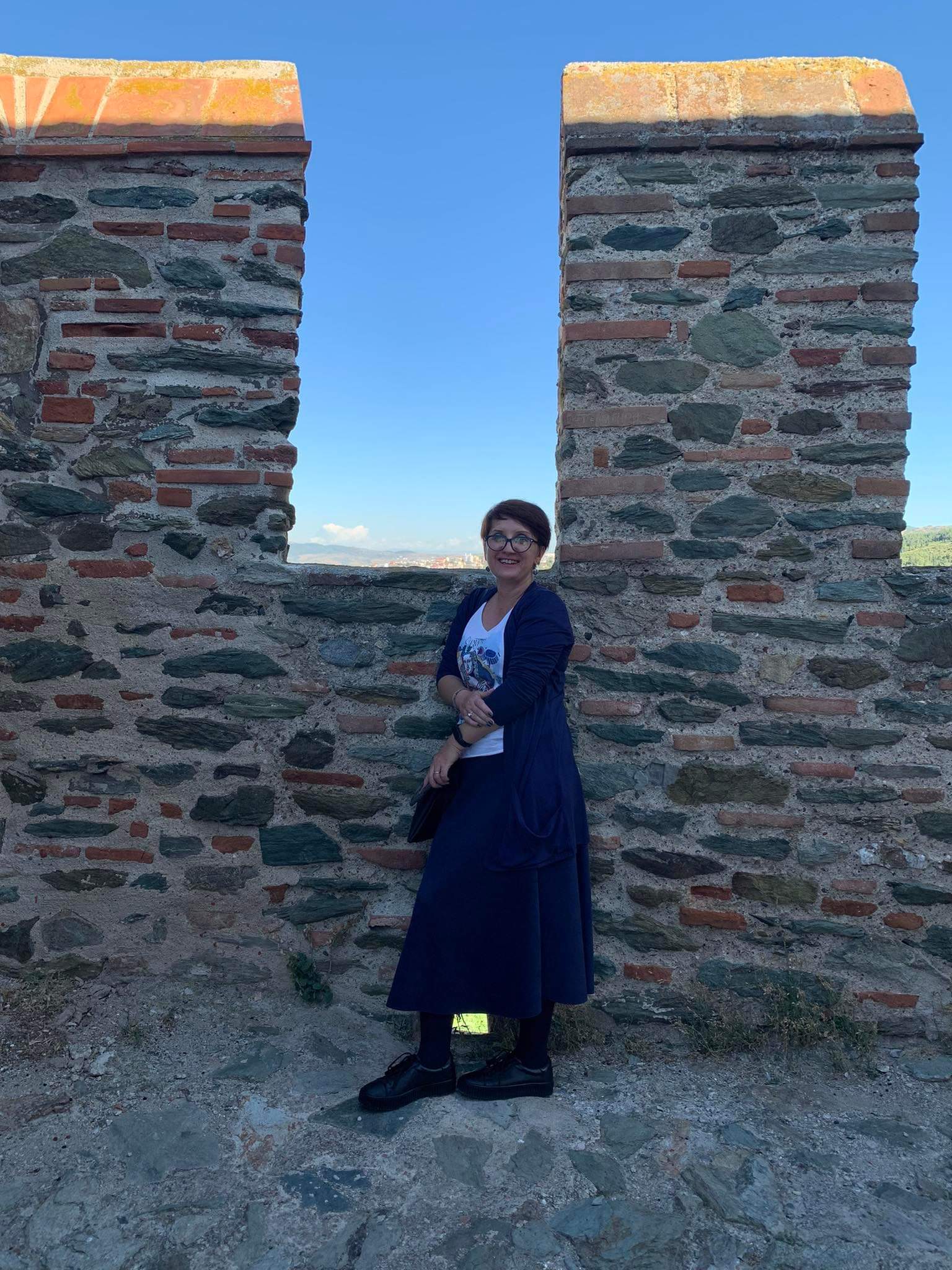
Irina Achim
Member
A specialist in late-antique and Christian archaeology, Irina Achim is the scientific coordinator of the Basilica with Crypt Sector (IAVP) at Histria and coordinated the Intra Muros Church Sector at Capidava (2008–2015). Her main research interests are the architecture of Early Christian monuments in the northern Balkan region and their interior arrangements for the celebration of the liturgy. Another research direction pursued by Irina Achim is the study of the urbanism of the Greek centres in Scythia and the funerary archaeology of the late-antique period in the Lower Danube provinces. Her research also addresses the history of archaeology in Romania and the Balkans in the second half of the 19th century and the first half of the 20th century.
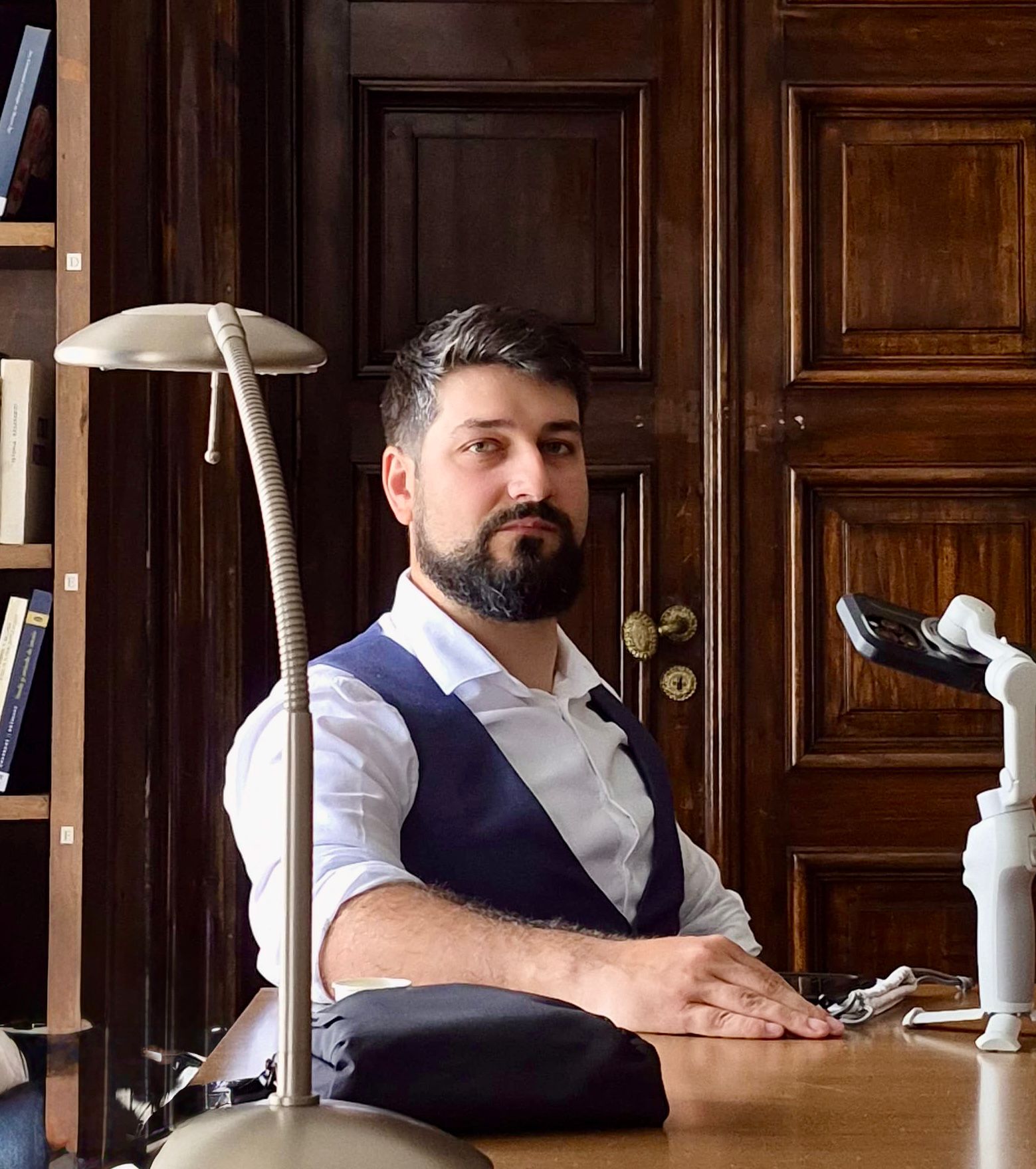
Radu-Octavian Stănescu
Member
His scientific activities focus on the spatial distribution of ancient settlements in northern Dobruja, recording through aerial photogrammetry and GIS, as well as ceramological studies. His other interests include the analysis of funerary inventories and the provincial and inter-provincial ancient economy.
Collaborators
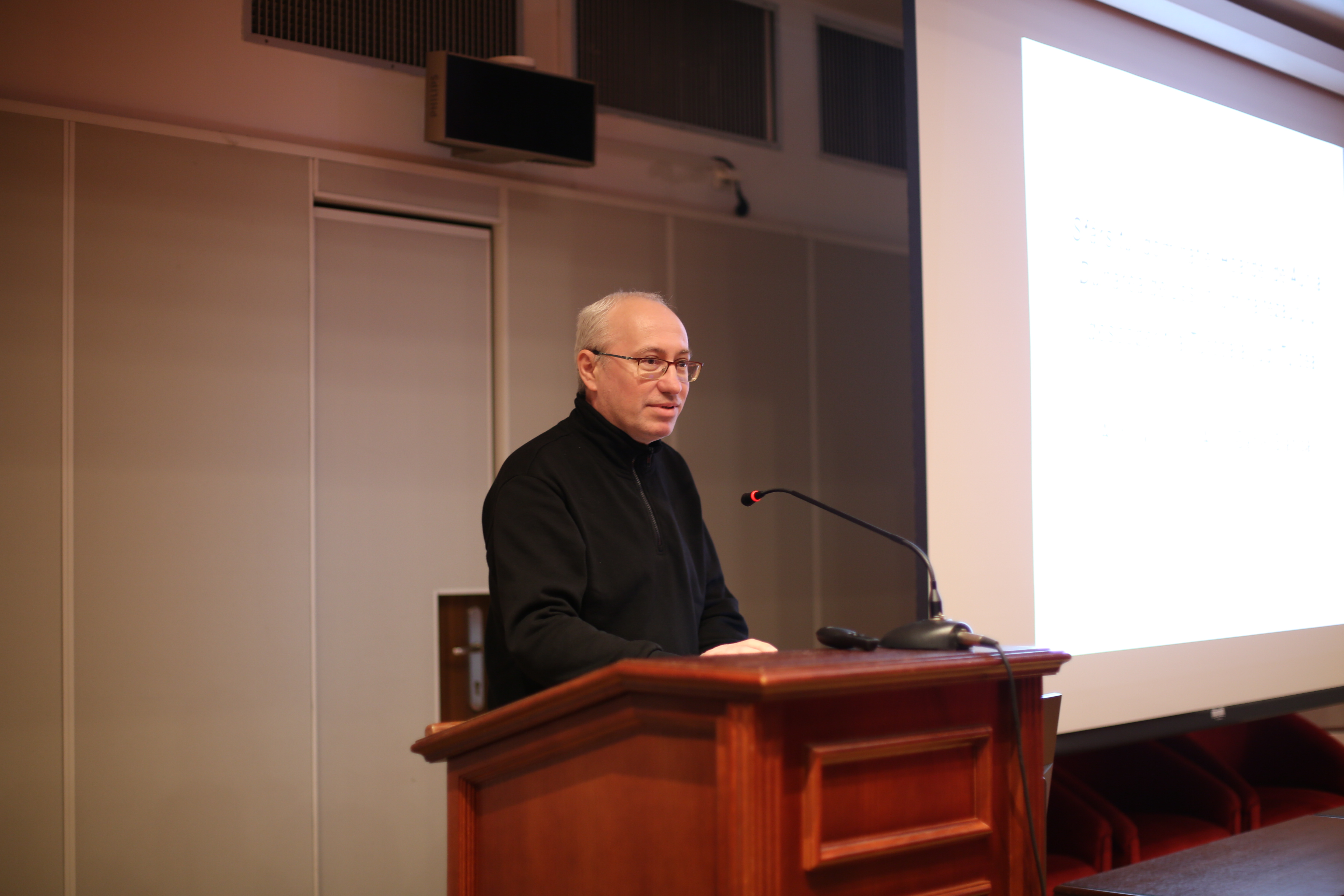
Aurel Vîlcu
Collaborator
His scientific activity is dedicated in particular to the study of numismatic sources and the contribution they make to the understanding of history in the Danubian-Pontic region, from the appearance of coinage to the medieval period. He is responsible for the analysis of the numismatic finds from the Acropolis Centre-South Sector at Histria.
Valentin Radu
Collaborator
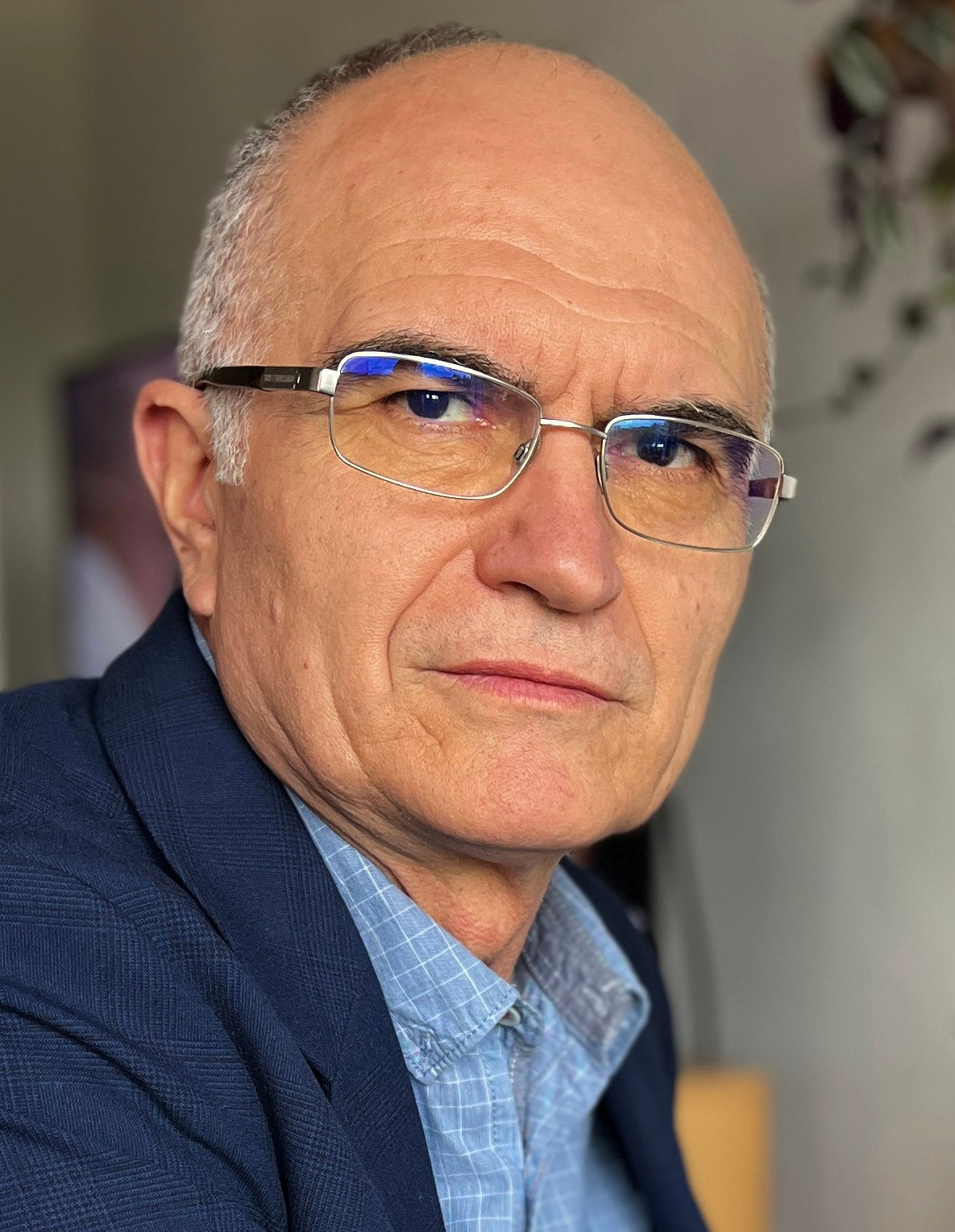
Archaeoichthyology and malacology, dietary strategies of prehistoric communities based on aquatic resources, the palaeoeconomy of human communities, and the reconstruction of the palaeoenvironment based on palaeoecological and zoogeographical studies for different historical periods. He is responsible for the analysis of over 500,000 faunal remains, dating chronologically from the Palaeolithic to the Middle Ages (archaeological sites in Romania, Armenia, France, Russia, Georgia and Iran). Deputy editor-in-chief of the journal Studii de Preistorie, specialist archaeologist, certificate 106-S/10.01.2010, expert in goods of scientific importance / palaeofauna, certificate R1/652 of 30.09.2008, accredited evaluator (BrainMap platform). Within the research on the Acropolis Centre-South Sector at Histria, Dr. Radu is responsible for the analysis of the archaeozoological finds.
Institutional partners
 University of Bucharest
  National Museum of Romanian History
  Vasile Pârvan Institute of Archaeology
  Ministry of Culture
  Constanța County Council
  Aix-Marseille University
  University of Texas
  University of Toruń
  IFIN-HH
  „Gavrilă Simion” Eco-Museum Research Institute, Tulcea
 Commercial partners
 Cris-Tim
 Milestones
Formation of the team's initial core and the start of the research project on the Acropolis Centre-South Sector of the Histria Archaeological Site (Constanța County).
Inauguration of the Dinu Theodorescu Archaeology Laboratory within FIUB.
Start of coordinating our first own archaeological dig, at MAB, in collaboration with ICEM Tulcea.
Start of the collaboration with Aix-Marseille University at MAB.
First course in collaboration with the University of Texas.
First archaeothanatology workshop in collaboration with Aix-Marseille University; start of the collaboration with IFIN-HH.