About the site The Ancient City of Histria
The archaeological excavations at Histria provide essential data on the urban, economic, and cultural evolution of the oldest Greek colony on the territory of Romania.
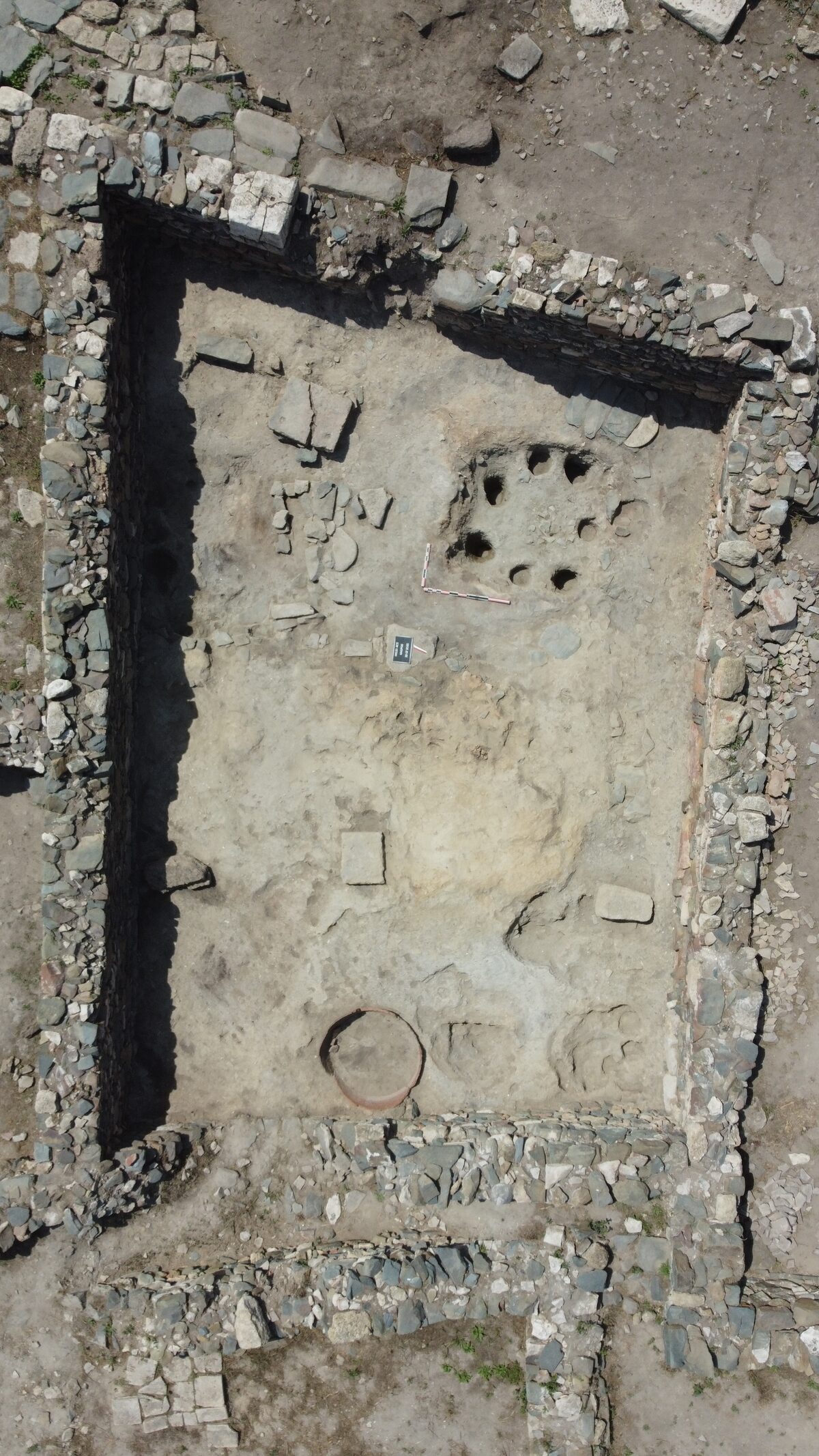
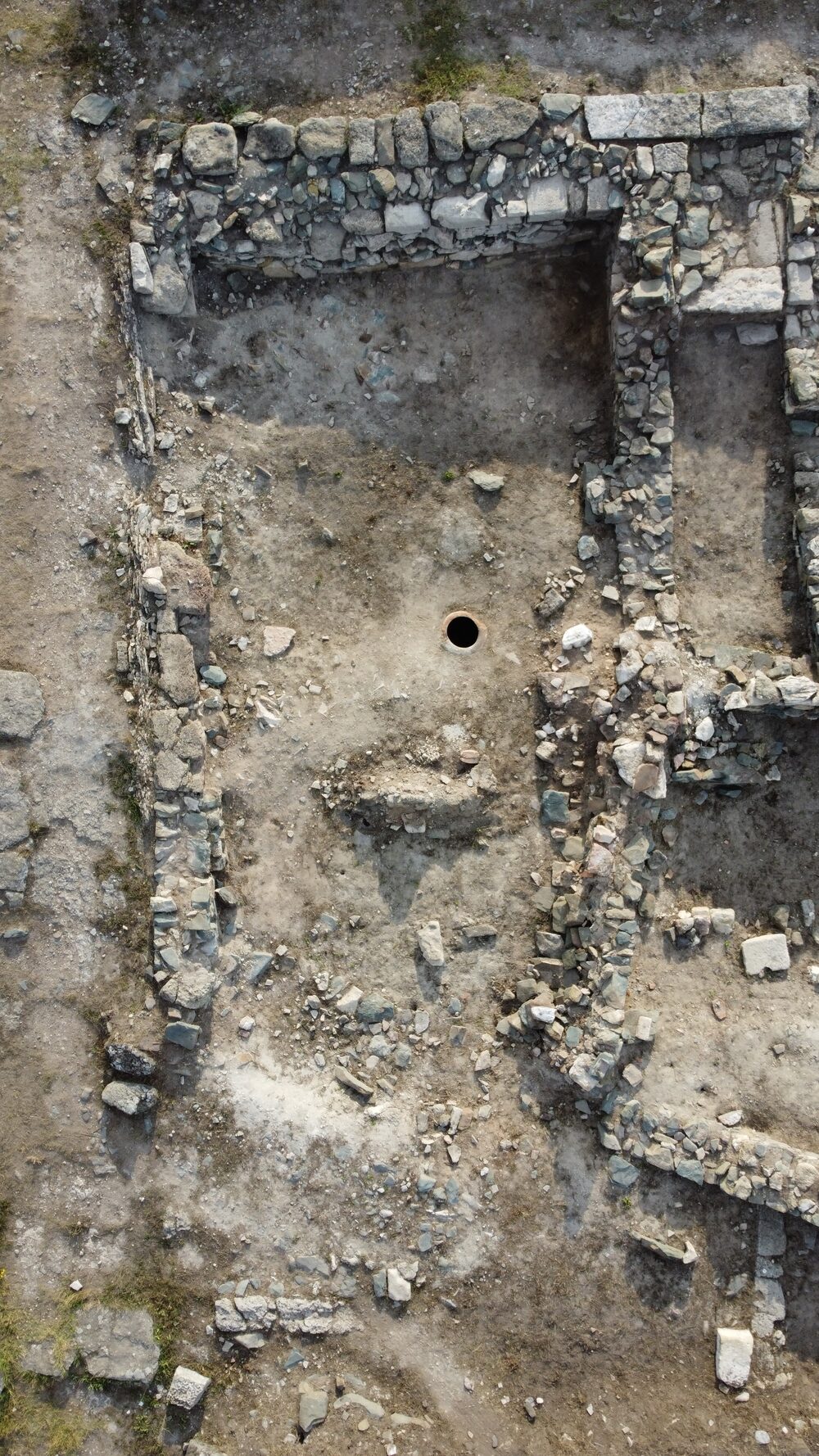
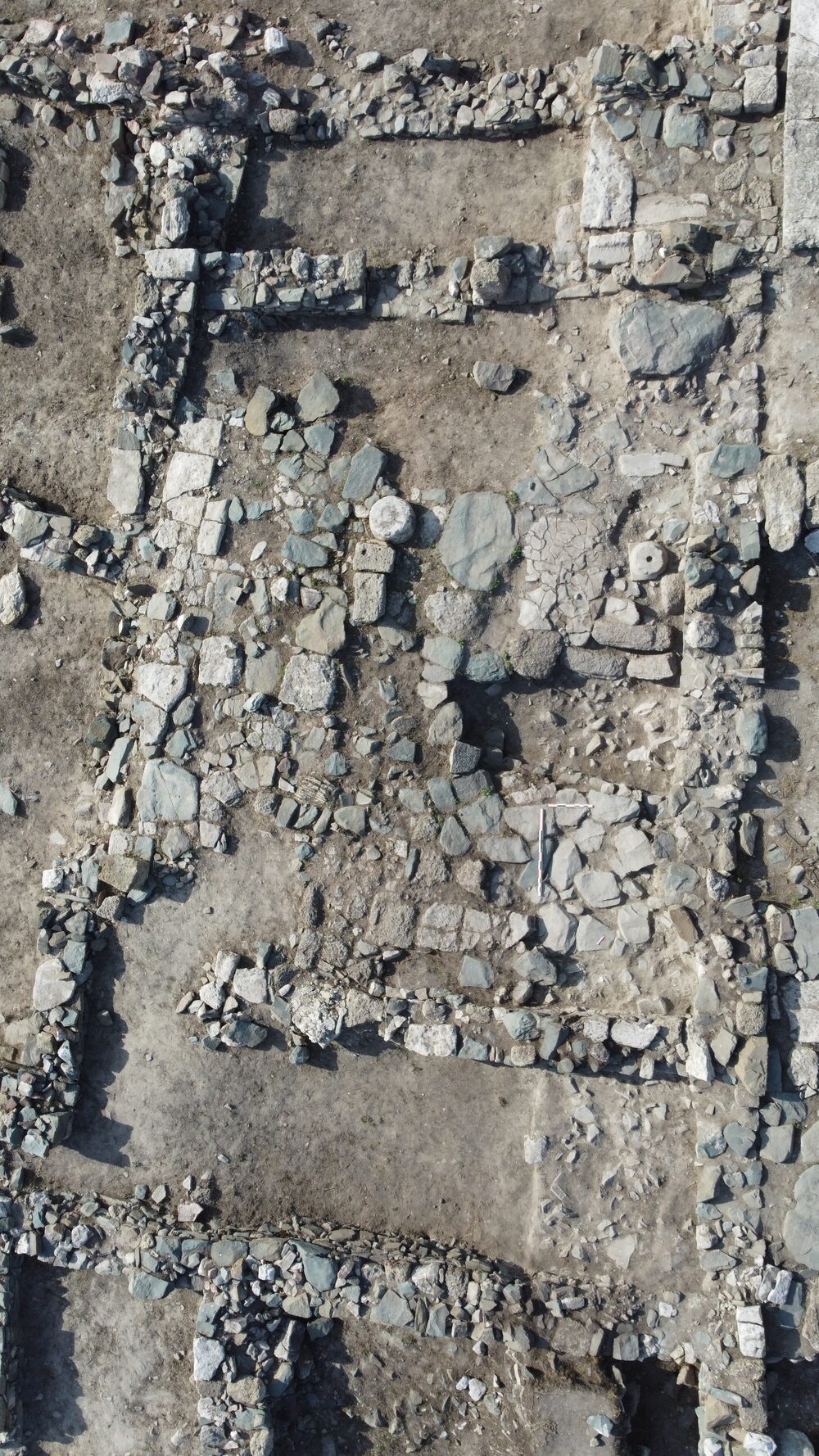
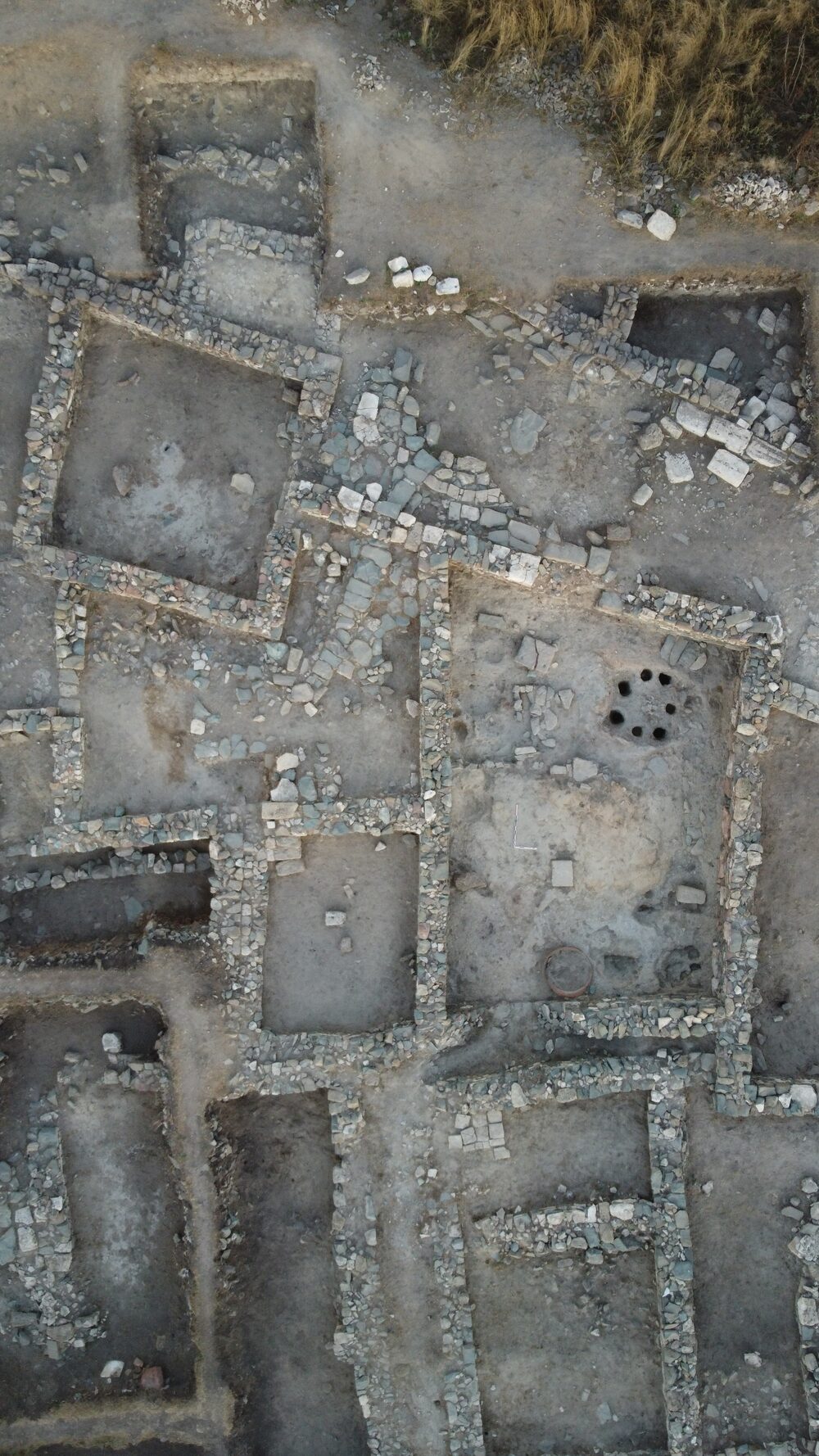
Research in the ACS Sector, started by a team from the University of Bucharest in 2013, uses the principal method of archaeology — the stratigraphic methodThe stratigraphic method is the principal method used in archaeology: it investigates the succession of soil layers and their relationship to the various structures or archaeological materials inside or associated with them, in order to understand the archaeological complexes investigated. More precisely, an archaeological site resembles a cake, in which the oldest layers are at the bottom. This succession establishes a relative chronology (finds in the upper layer are more recent, those in the lower layer are older) for the materials and structures in each layer. An absolute chronology can also be established when materials can be dated more or less precisely — using written or iconographic sources (inscriptions, coins, etc.) for the historical period, or using physico-chemical methods (radiocarbon, OSL, etc.) for prehistory. In the ACS Sector we also use a household archaeology approach to interpreting finds, tracing associations within archaeological deposits.. Excavations have brought to light a late Roman quarter (6th–7th c. AD) that includes spaces dedicated to food storage (in large storage vessels — chiupuri, or dolia in Latin), as well as spaces for storing and preparing food — namely kitchens or tabernae. We have also identified two interior courtyards, with installations for managing rainwater or perhaps household water.
Another important discovery is the cutting of a new street over older, abandoned dwellings, connecting two paleochristian basilicas and attesting for the first time the implementation of a Christian urban plan at Histria.
Ceramic finds, coins, metal objects, as well as faunal and plant remains, tell us about the daily life of the city's inhabitants — especially in the 6th–7th c. AD period, but also in earlier periods (the Greek or early Roman period).