The 2026 excavation campaign at Histria begins in July. Join the team! Volunteer

Discover Beidaud

Microzona Arheologica Beidaud

Microzona Arheologică Beidaud
(MAB, jud. Tulcea)

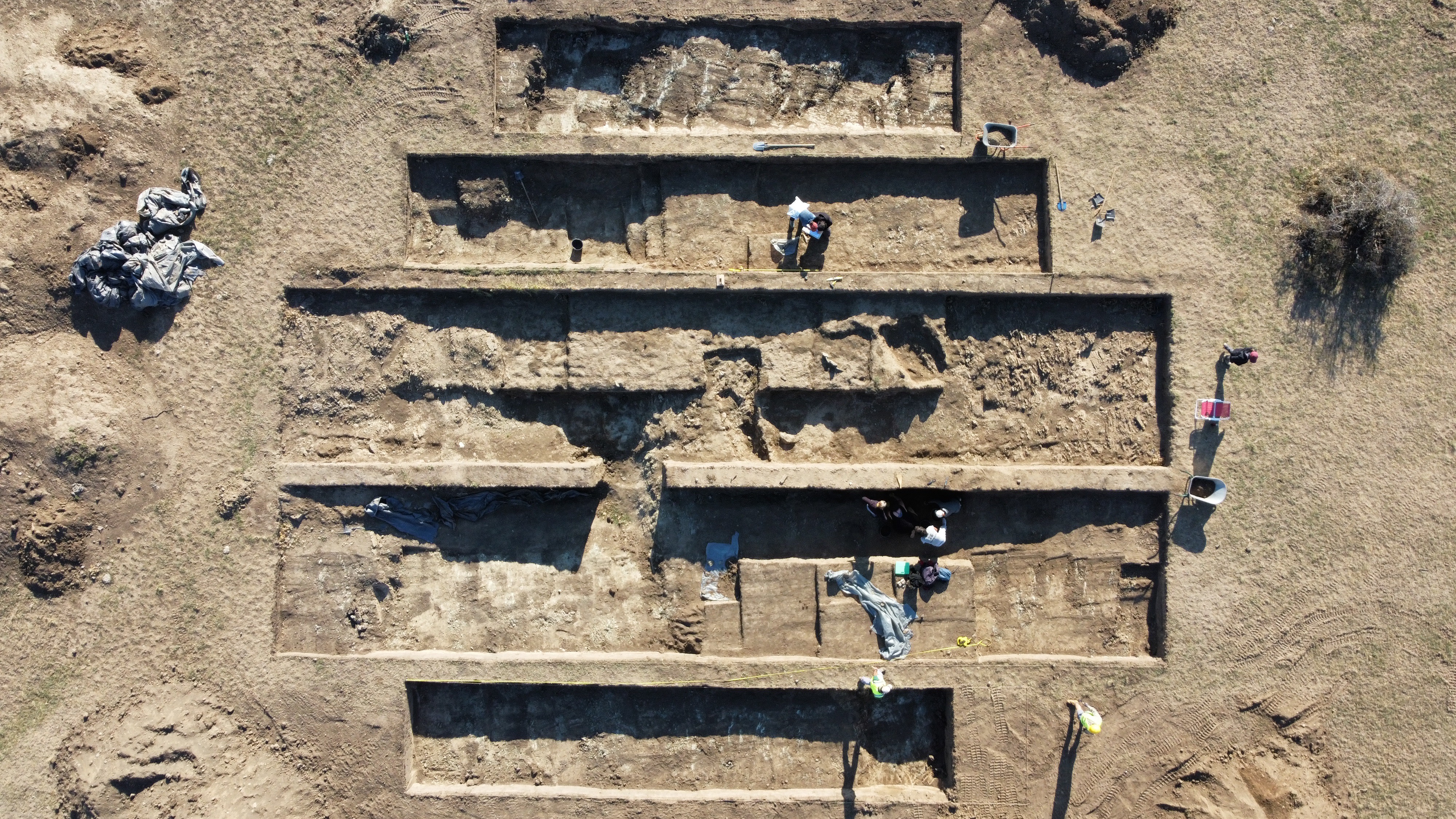
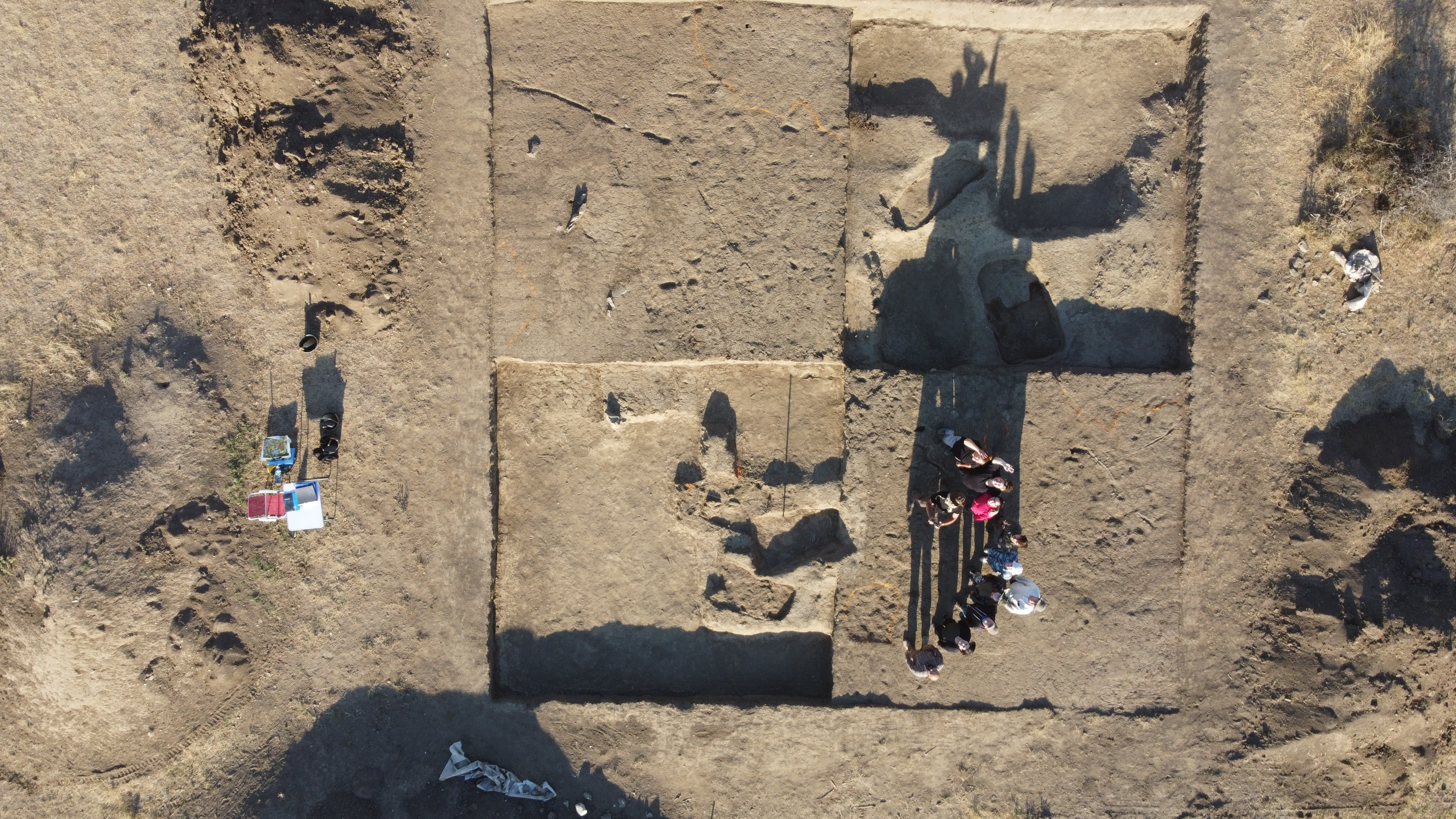
The MAB research project was started in 2020 by a joint team of the University of Bucharest and the Eco-Museum Research Institute of Tulcea, joined in 2021 by a team from Aix-Marseille University (France).

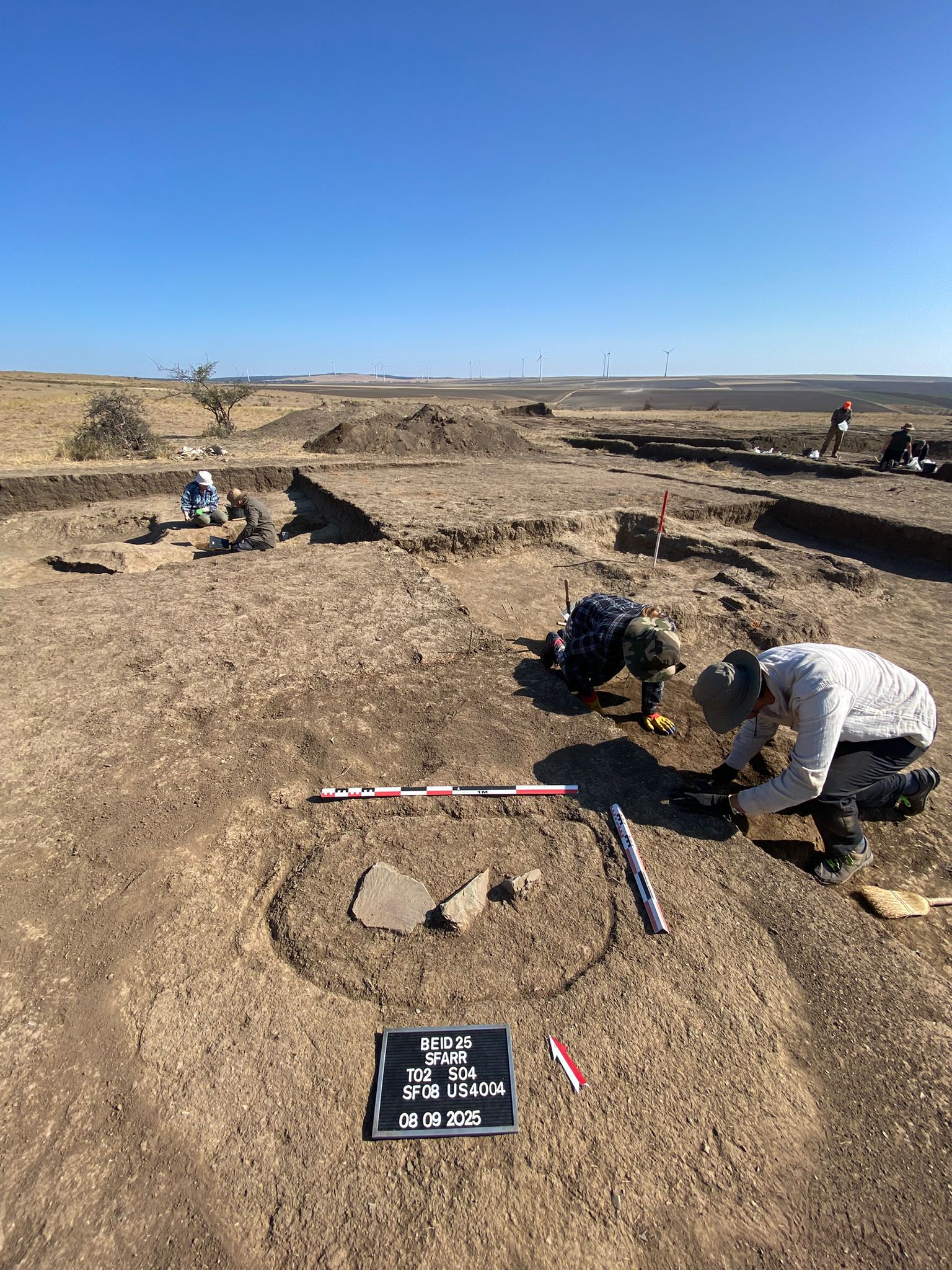
The project's objectives are to understand the evolution of human habitation in the Hamangia Valley (Tulcea County) — specifically the development of the network of human settlements over time, from prehistory to the end of Antiquity. Using an interdisciplinary approach, we aim to understand not only the evolution of these settlements (foundation–development–decline), but also the routes of communication between them (the roads) and their interaction with the surrounding environment (access to and use of resources, the use and modification of the landscape). To this end the project is carried out within a research structure not used until now, namely the Beidaud Archaeological Microzone (MAB)An archaeological microzone is a structure that enables the integrated study of a region. Classical research — conducted separately, site by site — does not allow for an understanding of a region's evolution, which is essential in rural settings.. Initially, the MAB comprised four archaeological sites: a Neolithic site (Hamangia culture) located at the southern edge of Beidaud commune, the fortified settlement on Calebair Hill (11th c. BC – 6th c. AD), the rural Roman settlement on Dealul cu cișmea (2nd–4th c. AD) and its funerary space, formed of about 20 tumuli.

Read more

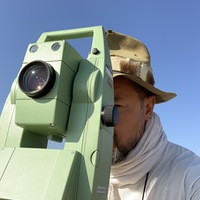
The methods used to achieve these objectives were generally borrowed from other fields. To create a map of the settlements in the area we use tools from geography and geology — such as aerial orthophoto imagery, topographic plans, the digital elevation model (DEM), 3D modelling, and LiDAR mapping. Also from geography, we use geophysical methods (magnetometry, ground-penetrating radar, electrical resistivity) to map buried archaeological structures or to understand the geomorphological evolution of the area. For palaeoenvironmental reconstruction we also turn to palynology, palaeobotany and archaeozoology, which help us understand what plants and animals existed or were cultivated and raised in the area.

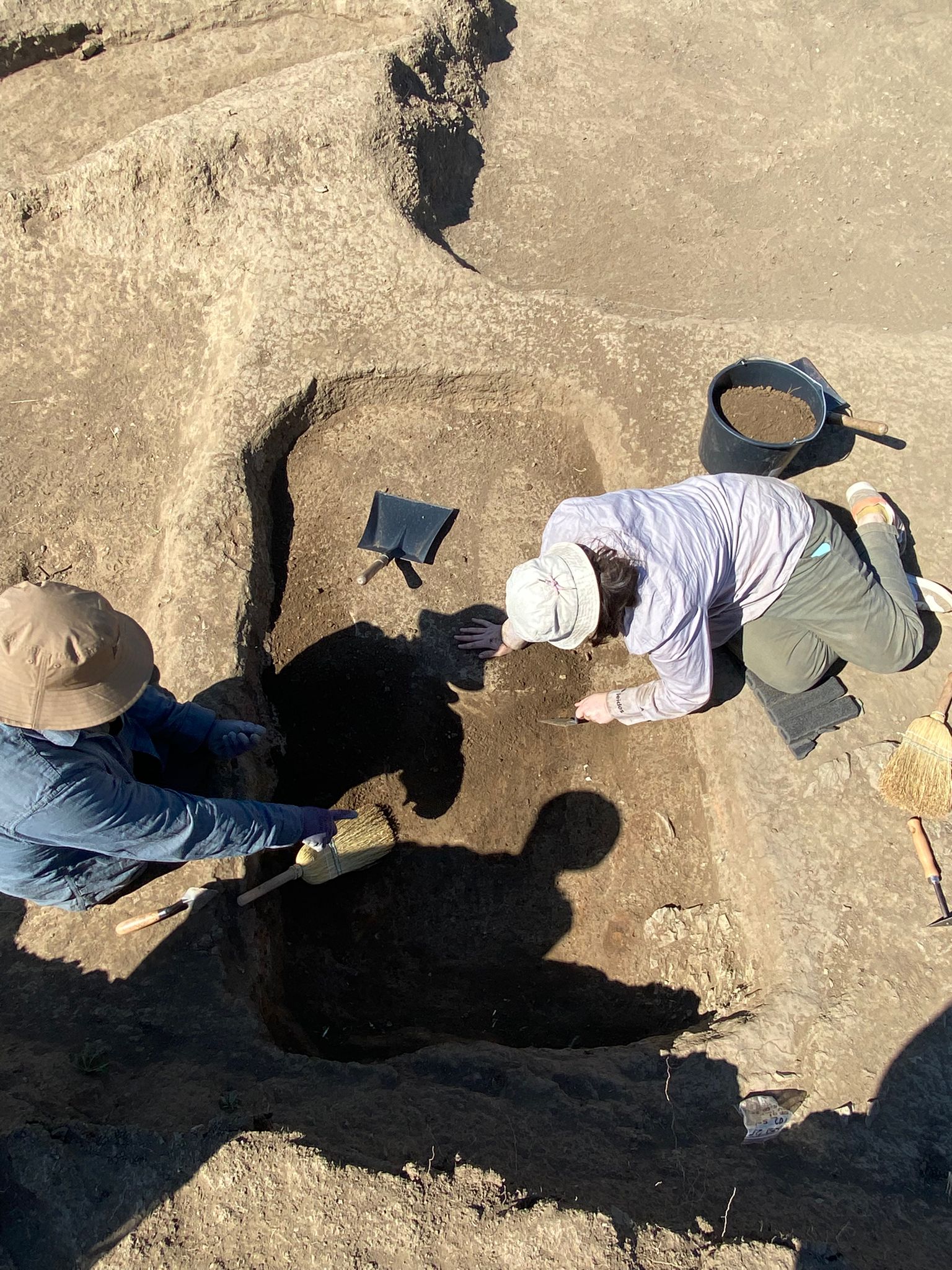
To these are added, of course, the archaeological excavations using the stratigraphic method. Furthermore, as we also investigate the funerary spaces — without which the settlements and the communities that created them cannot truly be understood — for the analysis of human remains we use a method from the medical sciences, namely physical anthropologyPhysical anthropology is the branch of anthropology that studies humans as biological organisms, analysing the origin, evolution, and biological variability of the human species. Its main fields include palaeoanthropology (the study of human evolution from hominin fossils), primatology, human population genetics, osteology and anthropometry, human ecology, and forensic anthropology. Methodologically, it draws on comparative anatomy, molecular genetics, radiometric dating, and biostatistics. Unlike cultural anthropology, it approaches humans from a biological-evolutionary perspective rather than a socio-cultural one, though the two intersect in the study of gene-culture co-evolution., and for the study of funerary spaces we use a cutting-edge method pioneered by the French archaeological school, beginning with Henri Duday: archaeothanatologyArchaeothanatology is a method of extremely rigorous excavation and recording of funerary structures, aimed at understanding not only their structure and function, but also at identifying the funerary gestures associated with each structure before, during, and after burial..

Beidaud
Beidaud
Beidaud

The people behind the discoveries

Valentin-Victor Bottez

Valentin-Victor Bottez

Director

Valentin Bottez is the founder and director of the Laboratory, as well as the scientific coordinator of the Acropolis Centre-South Sector (UB) at Histria and of the Beidaud Archaeological Microzone. His main interests are ancient urbanism and its evolution across historical periods, and territorial occupation strategies in antiquity within the territories of ancient cities. Another research direction pursued by Valentin Bottez is the study of Greco-Roman religions, in particular the Roman imperial cult, but also the cult of the ‘Oriental’ gods in the Roman Empire (especially Mithras).

Alexandra-Clara Țârlea

Alexandra-Clara Țârlea

Founding member

Alexandra Țârlea is a member of the Laboratory, as well as a member of the teams carrying out research in the Acropolis Centre-South Sector (UB) at Histria and in the Beidaud Archaeological Microzone. Her main interests within the two projects are: small finds (especially metal objects), ancient glass, archaeometry, and household archaeology.

Iulia Iliescu

Iulia Iliescu

LADT member

She is a member of the University of Bucharest research team conducting archaeological investigations in the “Acropolis Centre-South” Sector at Histria and in the Beidaud Archaeological Microregion. She is responsible for the inventory and primary conservation of the archaeological materials discovered during the research, as well as for the management, processing and study of Roman-era ceramic artefacts. Her main interests concern classical archaeology, the ancient economy and ceramic production in the western Black Sea region.

Alexandra Lițu

Alexandra Lițu

Founding member

Member of the archaeological research projects Acropolis Centre-South Sector (Histria) and Beidaud Archaeological Microzone. Areas of interest: Homer, archaic and classical Greece, Greek religion, Greek epigraphy, Digital Humanities.

Together we make history accessible

Archaeological research requires consistent resources. With your support, we can continue uncovering the past and making it accessible to the public.

Bursa Binelui

Donate through the Bursa Binelui platform for a simple and secure experience.

Donate via Bursa Binelui

3.5% Tax redirect

Individuals can redirect 3.5% of their income tax. No cost to you.

Download form

20% Corporate sponsorship

Companies can sponsor LADT and deduct 20% from their corporate tax.

Download form

Recent events

Get in touch

Address Faculty of History, 4-12 Regina Elisabeta Blvd., Sector 5, Bucharest 030167

Social media